You know, we often think of herbs as just something to make our food taste better. And sure, they do that really well! But it turns out, many of the common herbs we sprinkle on our meals are actually packed with good stuff that can help our bodies out. It’s kind of cool when you think about it – adding a little parsley to your salad or some basil to your pasta could be doing more for your health than you realized. This whole idea of an herbal supplement plan wellness is pretty neat, and it’s not complicated at all. We’re talking about using everyday herbs, not fancy pills, to support feeling good. Let’s take a look at some of these leafy wonders and what they can do.
Key Takeaways
- Parsley is a vitamin powerhouse, especially for your immune system, and helps fight inflammation.
- Cilantro offers antioxidants that may support brain health and helps with electrolyte balance.
- Rosemary is rich in antioxidants that can help with cell damage and may boost brain function.
- Basil is a good source of Vitamin K for bone health and may help with blood sugar levels.
- Sage is known for its Vitamin K content and antioxidants, with potential benefits for memory.
The Mighty Parsley: More Than Just a Garnish
Okay, let’s talk about parsley. You know, that green stuff you usually see sitting on the side of your plate? Turns out, it’s way more than just a pretty face. This humble herb is actually a nutritional powerhouse, and you’re probably not using it nearly enough. It’s packed with vitamins, especially A, C, and K. Think of these as your body’s little helpers for keeping your immune system humming along, your skin looking decent, and your blood doing its thing properly.
A Vitamin Powerhouse for Your Immune System
Seriously, parsley is loaded with vitamins that your body needs to fight off the sniffles. Vitamin C is a big one, and parsley delivers a good dose. It’s also got Vitamin A, which is great for your eyes and skin. And then there’s Vitamin K, which is super important for making sure your blood clots when it needs to – pretty vital stuff, right?
Fighting Inflammation with Flavor
Beyond the vitamins, parsley brings some serious anti-inflammatory compounds to the table. These compounds, like flavonoids, are like little bodyguards, helping to keep things calm and collected inside. Adding more parsley to your meals is a simple way to get these benefits without having to choke down some weird supplement. It just makes your food taste better while doing good things.
Versatile in Soups, Salads, and Juices
The best part about parsley? It’s ridiculously easy to use. Its flavor is mild enough that it won’t overpower your dishes. Chop it up and toss it into salads, stir it into soups and stews, or mix it into your favorite pasta dishes. Feeling adventurous? You can even juice fresh parsley for a concentrated dose of goodness. It’s a simple swap that adds a lot of flavor and a nutritional boost without adding extra salt or sugar. So next time you see parsley, don’t just leave it on the plate – pile it on!
Cilantro’s Zesty Kick: Brain Health and Blood Pressure
Alright, let’s talk cilantro. You know, that herb that seems to divide households faster than pineapple on pizza? Some folks swear by its bright, citrusy punch, while others claim it tastes like soap. Whatever your camp, cilantro brings more to the table than just a strong opinion. It’s packed with good stuff that can actually help your body out.
Immune Support and Electrolyte Balance
Cilantro is a decent source of vitamins, particularly Vitamin K, which is important for blood clotting. But what’s really interesting is its potassium content. Potassium is an electrolyte, and electrolytes are like the tiny power lines in your body, keeping everything running smoothly. They help manage fluid balance and are super important for your muscles and nerves to do their thing. Plus, keeping your electrolytes in check can play a role in maintaining healthy blood pressure.
Antioxidants for a Sharper Mind
This is where cilantro really shines. It’s loaded with antioxidants, like lutein. Think of antioxidants as tiny bodyguards, protecting your cells from damage caused by unstable molecules called free radicals. This cellular protection is especially good news for your brain. By helping to reduce that oxidative stress, cilantro might just give your brain a little boost, keeping things sharp as you age. It’s like giving your brain cells a nice, clean environment to work in.
The Love-It-or-Hate-It Flavor
So, about that taste. The reason some people detect a soapy taste is genetic, believe it or not. There’s a specific gene that affects how we perceive certain compounds in cilantro. But for those who love it, it’s a flavor game-changer. It adds a fresh, zesty note to dishes without needing to reach for the salt shaker. Think of it in your tacos, guacamole, or even blended into a vibrant green sauce. It’s a simple way to add a lot of flavor and a little bit of goodness to your meals.
Rosemary: The Mediterranean Secret for Aging Gracefully
You know, rosemary. That fragrant, piney herb that smells like a fancy soap but tastes amazing on roasted potatoes? Turns out, it’s more than just a pretty scent and a good flavor enhancer. This Mediterranean native is packed with some serious compounds that might just help you keep your edge as the years roll by. It’s one of those natural wellness strategies that’s been around forever for a reason.
Antioxidants to Combat Cell Damage
Rosemary is loaded with antioxidants, like carnosic acid and rosmarinic acid. Think of these as tiny bodyguards for your cells. As we get older, our cells take a beating from everyday stuff – pollution, stress, you name it. These antioxidants help fight off the damage caused by unstable molecules, often called free radicals. It’s like giving your body a little extra armor.
Boosting Digestion and Brain Function
Ever feel a bit sluggish after a big meal? Rosemary might lend a hand. It’s traditionally used to help with digestion. But here’s the really interesting part: studies suggest it can also be good for your brain. Some research points to rosemary helping with memory and even improving focus. It’s not magic, but it’s a pretty neat natural boost.
Enhancing Alertness and Easing Anxiety
That invigorating aroma of rosemary isn’t just for show. Inhaling its scent, or even just cooking with it, has been linked to feeling more alert and less stressed. It’s like a little mental pick-me-up without the jitters. If you’re looking for ways to feel a bit calmer and more focused, incorporating rosemary into your meals is a simple step.
Using fresh rosemary is best for flavor and those beneficial compounds. Don’t be afraid to experiment with it on chicken, lamb, or even in bread dough. A little goes a long way, but the payoff is worth it.
Basil’s Sweet Power: From Bones to Blood Sugar
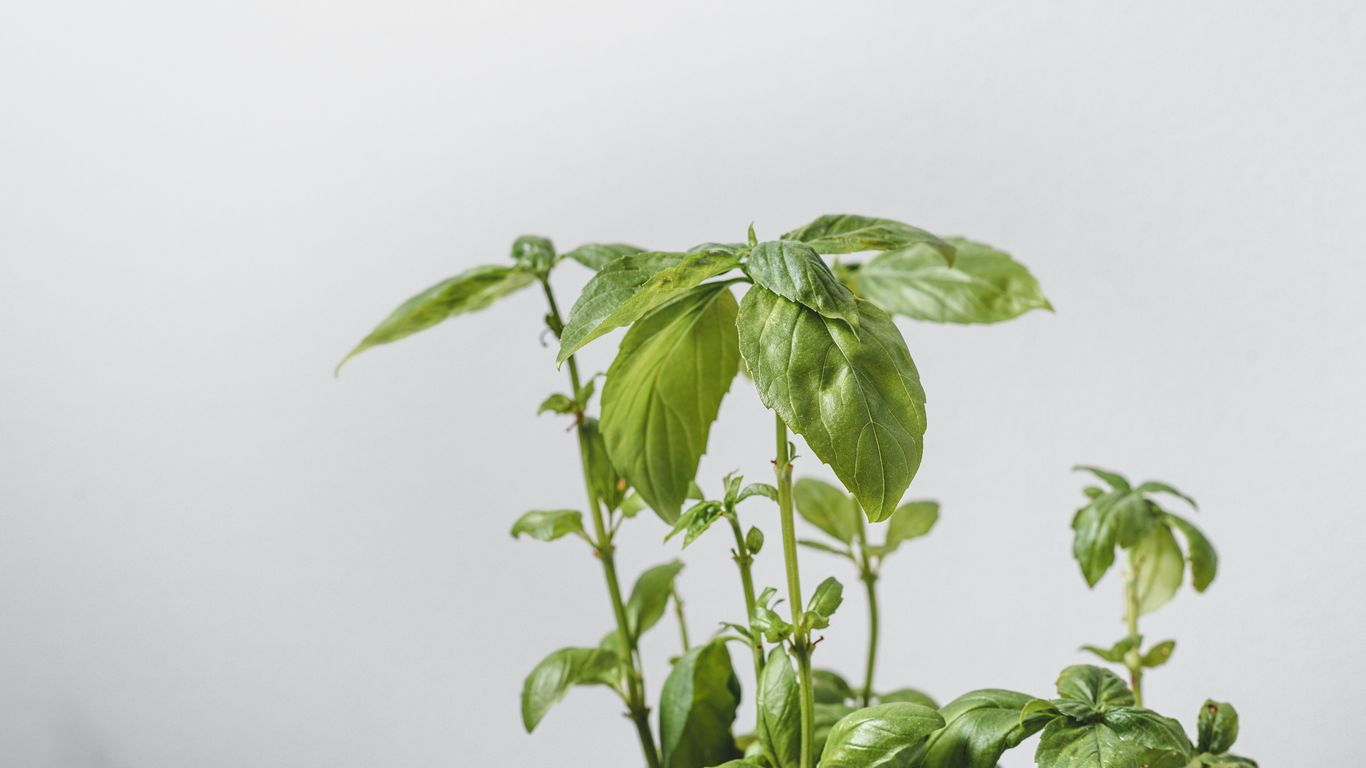
You know basil, right? That sweet, slightly peppery herb that smells amazing and makes everything from pizza to pasta taste like a trip to Italy. But it’s not just about the flavor, folks. This little green powerhouse packs a punch when it comes to keeping you feeling good.
Vitamin K for Strong Bones and Clotting
Let’s talk about Vitamin K. You might not hear about it as much as Vitamin C, but it’s pretty important. It plays a big role in making sure your blood clots like it’s supposed to when you get a little nick or scrape. Plus, it helps your body use calcium, which is what your bones are made of. So, yeah, basil is helping keep your skeleton sturdy and your body from bleeding out over a paper cut. Pretty neat, huh?
Antioxidant Richness for Circulation
Basil is loaded with antioxidants. Think of them as tiny bodyguards fighting off the bad stuff that can mess with your cells. These little helpers can make a difference in how well your blood moves around. Good circulation means everything in your body gets what it needs to work right. It’s like keeping the highways clear for all the important deliveries.
Delicious in Pesto and Caprese
So, how do you get more of this awesome herb into your life? Easy peasy. The most famous way is probably pesto. Blend up some fresh basil, garlic, pine nuts, Parmesan cheese, and olive oil, and you’ve got a sauce that’s good on just about anything. Or, go classic with a Caprese salad – sliced tomatoes, fresh mozzarella, basil leaves, a drizzle of olive oil, and maybe some balsamic glaze. Simple, fresh, and packed with goodness. You can also just chop it up and toss it into salads, soups, or sandwiches. Don’t be shy with it!
Sage: The Cognitive Enhancer You Need
Vitamin K for Heart and Bone Health
Sage is a pretty amazing herb, and one of the things it brings to the table is Vitamin K. You know, the stuff that helps your blood clot properly when you get a cut? It’s also a big player in keeping your bones strong and healthy. Think of it as a little helper for your body’s maintenance crew.
Polyphenols to Fight Oxidative Stress
This is where sage really shines. It’s loaded with these things called polyphenols. Basically, they’re like tiny bodyguards that go around fighting off nasty molecules called free radicals. These radicals can cause damage over time, and the polyphenols in sage help keep that in check. It’s like giving your cells a little shield.
Promising for Memory and Alzheimer’s
Now, this is interesting. Some research is looking into how sage might help with memory. It’s not a magic bullet, of course, but the early signs are pretty encouraging. People have used sage for ages to help with thinking clearly, and it seems like there might be something to that. It’s definitely worth keeping in mind if you’re looking for ways to support your brain health naturally.
Sage is a complex, aromatic herb that’s packed with nutrients.
Here’s a quick rundown of what sage brings:
- Vitamin K: Good for blood clotting and strong bones.
- Polyphenols: Antioxidants that help protect your cells.
- Minerals: Includes some iron and zinc.
Using sage in your cooking is a smart move. A little goes a long way, so don’t go overboard. It’s great for seasoning meats, adding to stuffings, or even frying up as a crispy topping for pasta. Just remember, we’re talking about the herb itself, not supplements, which can be a whole different ballgame.
Oregano’s Potent Properties: Beyond Pizza
Antimicrobial and Antiviral Might
Okay, so we all know oregano for making pizza taste like, well, pizza. But this herb is way more than just a flavor booster for your favorite cheesy dish. Turns out, oregano has some serious stuff going on under the hood. It’s packed with compounds that are thought to help your body fight off unwelcome guests like certain bacteria and viruses. Think of it as a little natural backup for your immune system. It’s not magic, but it’s a good reason to sprinkle a bit more of it on your next meal.
Flavones for Anti-Inflammatory Action
Inflammation. It’s one of those words you hear a lot these days, and for good reason. It’s linked to a whole bunch of things we’d rather not deal with. Oregano comes to the rescue again here, thanks to something called flavones. These are plant compounds that are believed to help calm down inflammation in the body. So, when you’re adding oregano to your roasted veggies or that hearty soup, you’re not just adding flavor; you’re adding a little something that might help keep things from getting too worked up inside.
Antioxidants for Chronic Disease Prevention
We’ve all heard about antioxidants, right? They’re like the bodyguards for your cells, protecting them from damage. Oregano is loaded with them. This means it can help protect your body from the kind of damage that can lead to long-term health issues down the road. It’s a simple way to add a layer of defense to your diet. While it’s not a cure-all, incorporating herbs like oregano into your regular meals is a smart move for overall well-being. It’s about making small, consistent choices that add up.
Using herbs like oregano regularly is a straightforward way to support your body’s natural defenses. It’s about adding good stuff to your diet without making a huge fuss.
Here’s a quick rundown of how you might use this potent herb:
- Marinades: Mix chopped fresh or dried oregano with olive oil, garlic, and lemon juice for meats, chicken, or fish.
- Sauces: Stir it into tomato sauces for pasta or pizza.
- Roasted Vegetables: Sprinkle generously over potatoes, carrots, or zucchini before roasting.
- Salads: Add a pinch to your favorite salad dressings or directly onto a green salad.
Mint’s Refreshing Benefits: Digestion and Beyond
You know mint. It’s that stuff that makes your toothpaste taste… well, minty. But it’s way more than just a breath freshener. This humble herb, especially the common spearmint and peppermint varieties, packs a punch when it comes to making you feel better, particularly when your stomach’s doing flips or you just feel generally blah. It’s one of those simple, natural ways to support your well-being, fitting right into the idea of holistic health remedies.
A Cool Blast for Nausea and Bloating
Ever felt that queasy feeling after a meal, or just generally uncomfortable and bloated? Mint can be a surprisingly effective go-to. Its natural compounds seem to help relax the muscles in your digestive tract. This means less cramping and a smoother ride for your food. It’s like a gentle sigh of relief for your insides. Seriously, a cup of mint tea can sometimes be all you need to settle things down.
Freshening Breath and Easing Headaches
Okay, we all know about the breath-freshening part. Chewing on a few fresh mint leaves after a garlicky meal is a game-changer. But it doesn’t stop there. Some folks find that the aroma alone, or a gentle application of diluted mint oil (be careful with this, it’s strong!), can help ease tension headaches. It’s that cooling sensation that seems to do the trick, offering a bit of a break from the throbbing.
Spearmint and Peppermint Varieties
While both spearmint and peppermint are fantastic, they have slightly different vibes. Peppermint tends to have a stronger, more intense flavor and is often the go-to for digestive issues. Spearmint is a bit milder and sweeter, making it great for adding a fresh twist to salads or fruit dishes. Either way, you’re getting a dose of goodness.
Here’s a quick look at what makes them special:
- Digestive Aid: Helps calm an upset stomach.
- Aroma Therapy: The scent can be uplifting and help with headaches.
- Flavor Booster: Adds a refreshing note to food and drinks.
Mint is one of those easy wins in the kitchen. You don’t need to be a gourmet chef to toss some leaves into your water or brew a quick tea. It’s about simple, accessible ways to feel a bit better day-to-day.
Thyme: A Metabolism and Brain Booster
Alright, let’s talk about thyme. You probably know it as that little herb that makes your soups and stews taste like something your grandma would make, but it’s way more than just a flavor enhancer. Think of it as one of those quiet, unassuming plant-based health boosters that really gets the job done.
Vitamins A and C for Antioxidant Power
Thyme is packed with vitamins A and C. These aren’t just random vitamins; they act like tiny bodyguards, fighting off nasty stuff called free radicals. You know, those things that can mess with your cells over time. Having enough of these antioxidants helps keep your body running smoothly, which is pretty important for achieving vitality with herbs.
B Vitamins for a Healthy Metabolism
This is where thyme really shines for everyday energy. It’s got B vitamins, which are like the fuel for your body’s engine. They help turn the food you eat into energy, keeping your metabolism humming along. A well-functioning metabolism means you feel more alert and less sluggish. It’s one of those botanical approaches to well-being that just makes sense.
Flavonoids for Cell Protection
Beyond the vitamins, thyme brings flavonoids to the party. These are plant compounds that are really good at protecting your cells. They work alongside the antioxidants to keep everything inside your body in good working order. It’s like giving your cells a little extra shield against everyday wear and tear.
Lavender’s Calming Aroma: Stress Relief and Sleep
Melting Away Anxiety and Irritability
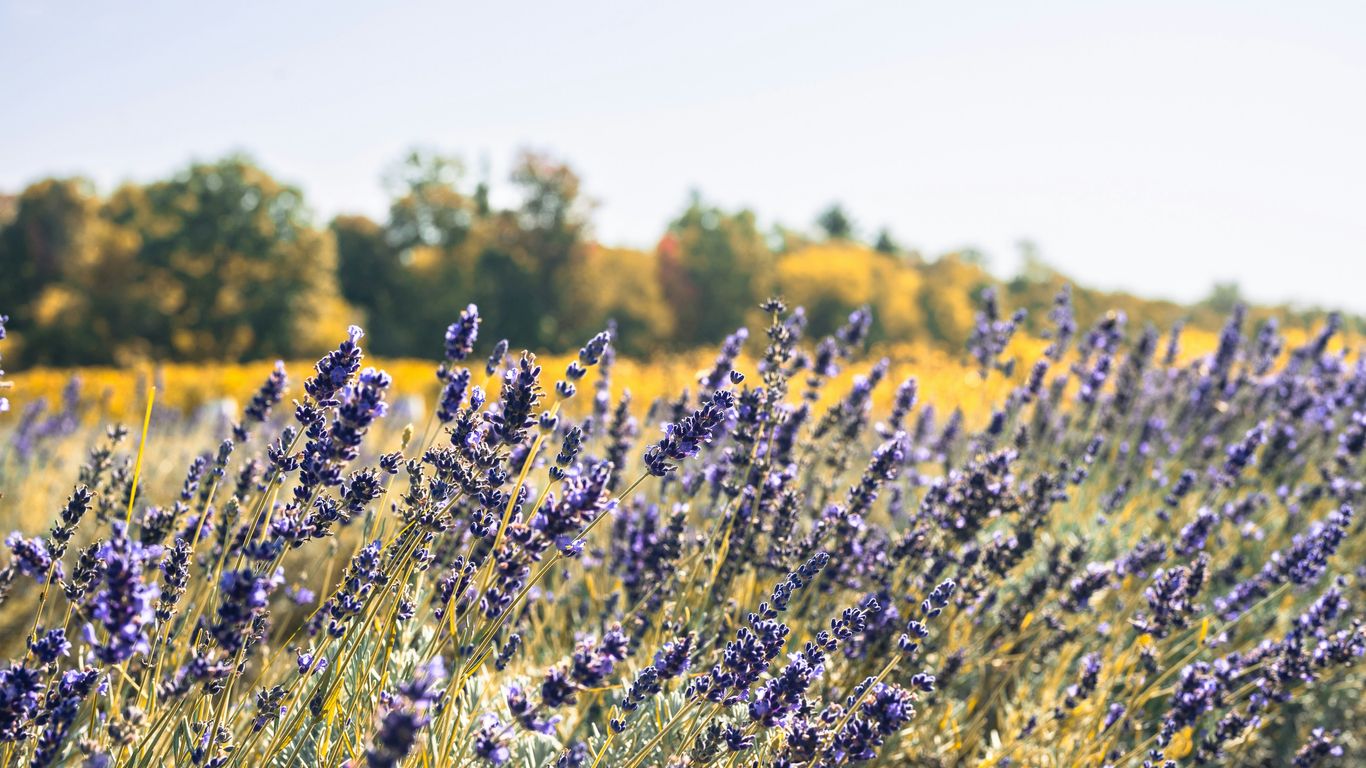
Ever feel like your brain is just buzzing, even when you’re trying to wind down? Lavender, that fragrant purple flower, might be your new best friend. It’s not just about smelling nice; the scent itself seems to have a knack for calming down that internal chatter. Think of it like a gentle nudge to your nervous system, telling it to take a breather. It’s pretty neat how something so simple can make a difference when you’re feeling all keyed up.
Lowering Blood Pressure for Better Sleep
When your body is all tense, your heart rate and blood pressure tend to creep up. Lavender’s aroma has been observed to help bring those numbers down a bit. This isn’t about treating any medical condition, mind you, but creating a more relaxed state. When your body is less revved up, it’s much easier to drift off into sleep. It’s like preparing the perfect cozy environment for your mind and body to finally switch off.
Culinary Grade for Sweet Treats
Did you know you can actually eat lavender? Yep, but you gotta be careful. Not all lavender is meant for your kitchen. You need to look for what they call ‘culinary grade’ lavender. It’s specifically grown and handled for eating. If you decide to try it, start small. Lavender has a really strong flavor, and too much can easily take over whatever you’re making. It’s great for adding a unique floral note to baked goods or even some savory dishes if you’re feeling adventurous.
Lemon Balm: Nature’s Stress Reducer
Calming the Nerves Since the Middle Ages
Ever feel like you’re just wound up tighter than a drum? Yeah, me too. Turns out, people have been reaching for lemon balm for centuries to take the edge off. Seriously, they were using it back in the Middle Ages to chill out, ease up on the worry, and get some decent sleep. It’s got this gentle, lemony scent and flavor that just seems to whisper, "Relax, it’s all good." It’s not some new fad; it’s been around the block and proven itself.
Lifting Negativity and Promoting Calm
This little herb, a cousin to mint, is pretty neat. It’s not just about feeling less stressed; some folks find it actually helps lift their mood when things feel a bit gloomy. Think of it as a gentle nudge towards feeling more positive. It’s like a little ray of sunshine in an herbal tea or a fresh sprinkle on your salad. It helps create a sense of peace, which, let’s be honest, we could all use more of these days.
Soothing Skin Irritations
And get this – lemon balm isn’t just for sipping or sprinkling. If you’ve ever dealt with those annoying cold sores or got bitten by a bug and can’t stop scratching, lemon balm can be a lifesaver. You can make a simple tea from the leaves, let it cool down, and then dab it on the irritated spots. It’s a natural way to calm things down and help things heal up a bit faster. Pretty handy, right?
Here’s a quick rundown of how you might use it:
- For a calming drink: Steep a couple of teaspoons of dried or fresh lemon balm leaves in hot water for about 10 minutes. Strain and sip.
- In the kitchen: Chop fresh leaves and add them to fruit salads, smoothies, or even sprinkle on fish.
- For skin relief: Make a strong tea (use more leaves), let it cool completely, and apply with a cotton ball to minor irritations.
It’s amazing how something so simple, growing right there in your garden or available at the store, can have such a noticeable effect on how you feel, both inside and out. No need for complicated routines when nature offers such straightforward solutions.
Feeling stressed? Lemon balm, a natural herb, might be just what you need to find some calm. It’s known for its soothing properties that can help ease your mind. Want to learn more about how nature can help you relax? Visit our website for more tips and information on natural wellness solutions.
So, What’s the Takeaway?
Look, we’ve gone over a bunch of these leafy things, right? Parsley, basil, rosemary – the whole gang. They don’t just make your food taste less like cardboard; they actually do some good stuff for your body. It’s not rocket science. Sprinkle some on, toss some in, grow a little pot on your windowsill. Just start using them. Don’t overthink it. Your taste buds and, believe it or not, your insides will probably thank you. Now go make something that doesn’t taste bland.
Frequently Asked Questions
What are herbs and why are they good for you?
Herbs are the leafy parts of plants that we use to add flavor to our food. Think of them like nature’s seasoning! They’re great because they make meals taste amazing without needing extra salt or unhealthy stuff. Plus, they’re packed with good-for-you things like vitamins and special plant powers that can help keep your body healthy and strong.
Are fresh herbs better than dried herbs?
Fresh herbs usually have a brighter, more vibrant flavor. They’re awesome for adding a pop of freshness to salads or finishing off a dish. Dried herbs are more concentrated, so a little goes a long way, and they’re perfect for cooking into dishes where their flavor can really deepen, like in soups or stews. Both are good, just used a bit differently!
How can I use more herbs in my cooking?
It’s super easy! Sprinkle fresh parsley or cilantro on almost anything – tacos, eggs, pasta. Add basil to sandwiches or blend it into a sauce. Toss rosemary or thyme with roasted vegetables. Even a little mint can make a drink or a fruit salad more exciting. Just start experimenting!
Do herbs really have medicinal benefits?
Many herbs have been used for a long, long time because people noticed they could help with certain things. While they aren’t medicine in the way a pill is, herbs contain special compounds that can help your body in different ways, like fighting off tiny germs, reducing swelling, or even helping you feel more relaxed.
Can I grow my own herbs?
Absolutely! Growing your own herbs is really rewarding and easy to do. Many herbs, like basil, mint, and parsley, can grow happily in pots on a sunny windowsill or in a small garden patch. It means you’ll always have fresh flavor right at your fingertips!
Which herbs are best for digestion?
Mint is famous for helping with tummy troubles! It can help ease bloating and indigestion. Ginger, though often thought of as a spice, is also great for settling your stomach. Even herbs like rosemary and thyme can help your digestive system work a little smoother.
Are there herbs that can help me relax?
Definitely! Lavender is well-known for its calming scent, which can help ease stress and improve sleep. Lemon balm is another herb that’s great for calming your nerves and promoting a sense of peace. Sipping tea made with these herbs can be a lovely way to unwind.
How much of an herb should I use to get health benefits?
You don’t need huge amounts! Even using herbs regularly as part of your meals adds up. Think about adding a generous sprinkle of fresh herbs to your plate or using a teaspoon or two of dried herbs in your cooking. The key is to enjoy them often so you get those good nutrients consistently.


