Key Takeaways
Chiropractic wellness care can be a practical part of a broader routine for movement, comfort, and everyday function.
- Wellness care looks beyond a single painful area.
- A first visit should include conversation, evaluation, and clear explanations.
- Daily habits matter alongside scheduled appointments.
- A useful plan should reflect your goals, schedule, and comfort level.
- Local access can make consistent care easier to maintain.
What chiropractic wellness care means for Chillicothe residents
For many Chillicothe residents, wellness care means taking a measured approach to how the body moves and feels over time. It is not a promise of perfect health or a substitute for medical care. Instead, it may give you a structured way to discuss spinal function, movement habits, and recurring discomfort with a qualified professional.
Moving beyond short-term pain relief
Pain often gets attention because it interrupts work, sleep, driving, or family time. Those symptoms deserve consideration, but a wellness conversation can also explore what was happening before the discomfort appeared and what patterns may be keeping it around. A thoughtful plan focuses on useful information rather than dramatic promises.
The goal is not to ignore symptoms. It is to place them in context, notice contributing habits, and decide whether chiropractic care is appropriate for your situation. If you are comparing options, this guide to natural pain relief approaches offers another perspective on history-taking, movement checks, and communication.
How spinal health can support everyday function
Your spine is involved in ordinary actions such as bending, reaching, turning, walking, and sitting. When stiffness or discomfort changes how you perform those actions, you may begin compensating without realizing it. An evaluation of movement and spinal function can help clarify what deserves attention.
That does not mean every limitation comes from the spine, nor does it guarantee a particular result. It simply gives the conversation a practical focus: how you move, what activities matter to you, and which changes would make daily life easier.
The difference between symptom care and wellness care
Symptom-focused care usually starts with a specific complaint, such as neck pain after long hours at a computer. Wellness care may begin with the same complaint but continue into questions about posture, mobility, activity, and habits between appointments. The two approaches can overlap, and neither label tells you what care is right without an individual evaluation.
Clear expectations matter most when discussing any ongoing plan. Ask what the provider is evaluating, what the proposed care is intended to address, and how progress will be reviewed. Good communication keeps wellness language grounded in observable goals.
When chiropractic care may fit your routine
Chiropractic care may fit when you want help understanding recurring discomfort, stiffness, or movement limitations and are comfortable including appointments in a broader wellness routine. It may be less suitable if you need urgent evaluation for a serious injury or rapidly changing symptoms. In those cases, seek appropriate medical attention first.
A realistic routine should work with your job, family responsibilities, exercise preferences, and budget. Wellness is easier to maintain when the plan is specific enough to follow but flexible enough for real life.
Services you may find at a wellness clinic in Chillicothe, IL
A wellness clinic may offer several types of support, but services vary by provider, training, and patient needs. The useful question is not whether a clinic lists the longest menu. It is whether the services offered match your concerns and are explained in plain language.
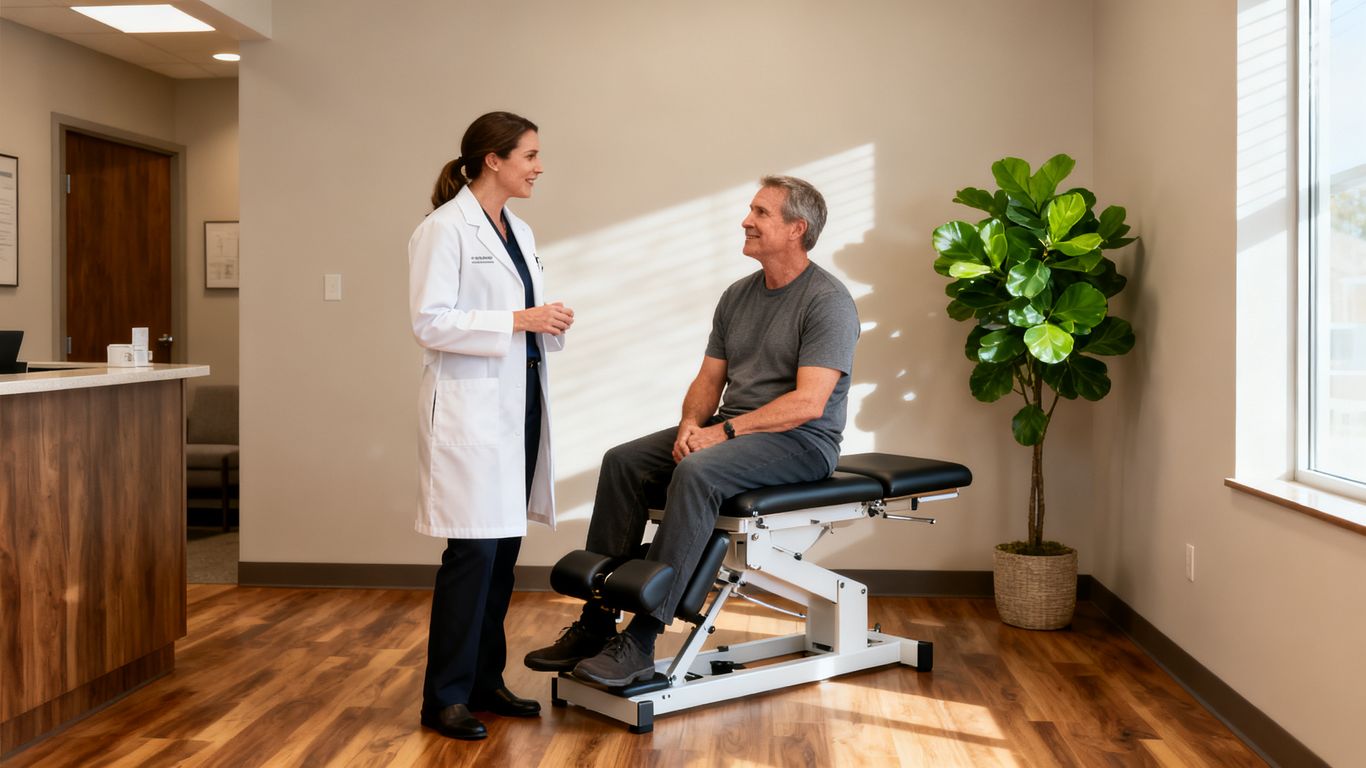
Chiropractic adjustments for spinal alignment
An adjustment is a hands-on chiropractic technique intended to address spinal movement and alignment as assessed by the practitioner. Before treatment, ask what the provider found and what the adjustment is intended to do. You should also be told about reasonable expectations and any relevant precautions.
An adjustment is one part of care, not a reason to skip a thorough history or evaluation. The best fit is a clinic that connects the technique to your stated goals rather than presenting it as a universal answer.
Care for back pain, neck pain, and stiffness
Back pain, neck pain, and stiffness are common reasons people schedule a visit. A provider may ask when symptoms began, what makes them better or worse, and whether they affect sleep, work, or activity. That detail helps distinguish a useful conversation from a rushed appointment.
Chiropractic care is not appropriate for every cause of pain. A responsible clinic should recognize when additional evaluation or referral may be needed, especially after significant trauma or when symptoms are unusual or worsening.
Guidance for posture, mobility, and movement
Posture advice is most useful when it connects to a real setting: a desk, vehicle, workshop, gym, or favorite hobby. Mobility guidance may involve observing how you bend, rotate, walk, or reach. Small adjustments to how you work and move can be easier to apply than a long list of perfect habits.
The provider should explain which observations matter and how you can practice safely. You do not need a complicated routine to begin; you need instructions you understand and can repeat.
Complementary wellness recommendations
Some clinics may discuss sleep position, activity pacing, ergonomic changes, hydration, or general exercise as complementary considerations. These suggestions should stay within the provider’s scope and be tailored to your circumstances. They should not replace care from another clinician when a separate health concern requires it.
Think of recommendations as tools to test and discuss, not rules that guarantee an outcome. The right advice is practical, measurable, and compatible with your daily life.
Personalized care plans based on your goals
A personalized plan should start with what you want to do more comfortably, whether that is gardening, lifting at work, walking with family, or sitting through a commute. The provider can then explain the proposed approach, visit frequency, home recommendations, and points for reassessment.
A simple comparison can help you understand the plan without getting lost in jargon. For example:
| Care-plan element | Useful question | What a clear answer provides |
|---|---|---|
| Main concern | What are we addressing first? | A practical starting point |
| Recommended care | Why is this approach suggested? | A reasoned connection to your evaluation |
| Home habits | What should I do between visits? | Specific next steps |
| Progress review | When will we reassess? | A way to make adjustments |
This kind of discussion does not predict results. It gives you enough information to decide whether the plan feels sensible, manageable, and worth continuing.
How your first chiropractic visit typically works
A first visit should feel like an information-gathering appointment, not a sales pitch. The exact sequence differs between clinics, but most responsible care begins with your history and current concerns, followed by an appropriate evaluation. You should leave knowing what was discussed and what happens next.
Discussing your health history and current concerns
Expect questions about your symptoms, previous injuries, work demands, activity, medications, and relevant health history. Be direct about what you feel, when it started, and what changes it. Mention previous diagnoses or treatment so the provider has a fuller picture.
This conversation helps identify whether chiropractic care is reasonable and whether another type of evaluation should come first. Bring a short list of questions if you tend to forget details once the appointment begins.
Evaluating posture, movement, and spinal function
The evaluation may include observing posture, checking movement, and discussing areas of tenderness or limitation. The provider should explain what is being assessed and avoid turning a normal variation into a frightening diagnosis. You are entitled to pause and ask for clarification.
A movement check is most useful when it relates to your complaint or goals. For example, difficulty turning while driving may call for a different discussion than stiffness after recreational activity.
Understanding your recommended care plan
After the evaluation, ask the provider to summarize the findings in everyday language. A recommended plan may include appointments, movement guidance, or a suggestion to consult another professional. You should understand the purpose of each part before agreeing.
Be cautious of certainty where the situation is uncertain. A trustworthy plan explains what will be monitored and how it may change if your response differs from expectations.
Knowing what to expect during an adjustment
Your provider should describe the technique before performing it and invite you to speak up about discomfort or concern. Ask about positioning, sensations you may notice, and what to do afterward. You can always request a pause or ask whether another approach is available.
After the adjustment, notice how you feel without assuming that every sensation means improvement or harm. Report unexpected or persistent concerns to the provider and seek medical advice when appropriate.
Questions to ask before beginning care
A few straightforward questions can make the appointment more productive. Consider asking:
- What is the main goal of the proposed care?
- What will you monitor to assess progress?
- What should I do between visits?
- When should I contact you about a concern?
The answers should be specific enough for you to make an informed choice. If they are unclear, keep asking or take time to consider your options before starting.
Common reasons people seek chiropractic care
People arrive at a wellness clinic for different reasons, and the same symptom can have different contributing factors. Some want help with a recurring issue; others notice that stiffness is affecting activities they value. A careful assessment matters more than fitting yourself into a label.

Desk work, phone use, and postural strain
Long periods at a desk or on a phone can leave the neck, shoulders, and upper back feeling tight. The issue may involve time in one position, an awkward workstation, limited movement breaks, or several factors together. A useful visit can connect the discomfort to the way you work and rest.
Simple changes may include adjusting screen height, varying positions, or taking brief movement breaks. The point is not to hold a rigid posture all day; it is to avoid staying in one stressful position for too long.
Sports, work, and everyday activity injuries
A new ache after lifting, gardening, sports, or a physically demanding shift deserves an honest account of what happened. Tell the provider about the motion, impact, timing, and any changes since the injury. That information helps determine whether a chiropractic visit is appropriate or whether urgent care is more suitable.
Do not push through severe, escalating, or unusual symptoms just to stay on schedule. Recovery planning should respect the injury and your broader health needs.
Recurring back or neck discomfort
Recurring discomfort can be frustrating, particularly when it keeps returning after temporary changes. A conversation about frequency, triggers, sleep, work, and activity may reveal patterns worth addressing. It can also help establish a clearer reason for tracking symptoms instead of simply reacting to the latest flare-up.
No general article can identify the cause of your pain. A qualified evaluation is the right place to discuss whether chiropractic care belongs in your plan.
Limited mobility and muscle tension
Some people seek care because turning, reaching, or walking feels restricted. Others notice muscle tension that builds through the day. These concerns can affect confidence as well as comfort, so describe the specific activities you are avoiding or modifying.
Movement guidance may focus on gradual, comfortable practice rather than forcing a range of motion. Progress should be personal and observed over time.
Maintaining function as life gets busier
Wellness care may appeal to people who want to stay active while balancing work, family, travel, and community commitments. The aim is not to schedule endless appointments. It is to understand what supports your function and build habits you can keep when the calendar gets crowded.
That often means choosing a few high-value actions and repeating them consistently. A smaller plan that fits your week is usually more useful than an ambitious plan you abandon.
Building a practical wellness plan that lasts
A lasting plan is built around behavior, feedback, and reasonable expectations. Appointments may be part of it, but so are sleep, movement, work setup, recovery, and communication. Start with what you can genuinely maintain rather than what sounds impressive on paper.
Setting clear goals for care
A goal such as “feel better” is understandable but difficult to measure. Try describing the activity you want to perform, the limitation you want to reduce, or the routine you want to resume. Clear goals make it easier to discuss whether care is helping.
Your goal can change as you learn more. The provider should be willing to revisit it instead of treating the original plan as permanent.
Combining appointments with healthier daily habits
Appointments cannot replace the hours you spend sitting, working, sleeping, and moving. Pairing care with manageable daily habits may make the overall plan more coherent. That might mean changing a workstation, walking briefly during the day, or pacing a demanding activity.
Choose one or two changes first. Consistency beats intensity when the objective is a routine you can continue.
Using exercises and stretches between visits
If a provider recommends exercises or stretches, ask for a demonstration and clarification about frequency, range, and warning signs. Start within a comfortable limit and follow the instructions you were given. Avoid borrowing a routine from someone else simply because it worked for them.
Write the instructions down or ask whether they can be provided in a format you can review. Good technique is more useful than rushing through a long sequence.
Tracking changes in comfort and mobility
A brief record can show patterns that are hard to remember from one appointment to the next. Note the activity, duration, comfort level, and any movement that felt easier or more limited. Keep the record simple enough that you will actually use it.
Tracking is not a demand to measure every sensation. It is a conversation aid that can help you and your provider decide what deserves attention.
Adjusting the plan as your needs change
Your schedule, workload, activity, and symptoms may shift. A plan that was reasonable in spring may need to change during a busy season or after an injury. Tell the care team what is different instead of quietly trying to force the old routine.
Reassessment keeps care connected to your current goals. It also gives you a natural point to ask whether continuing, modifying, or stopping a part of the plan makes sense.
Choosing the right wellness clinic near Chillicothe
Choosing a clinic is not only about distance or a polished website. It is about whether the provider listens, explains the process, and respects your decisions. A short conversation before booking can reveal a great deal about how the team communicates.
Reviewing the clinic’s approach to patient care
Look for an approach that begins with your history and concerns rather than assuming every patient needs the same routine. Ask how evaluations are performed and how care recommendations are made. The answer should sound individualized without making extravagant promises.
You should also feel comfortable asking what happens if your concern falls outside the clinic’s scope. A referral or recommendation for another evaluation can be a sign of responsible care.
Looking for clear explanations and realistic expectations
A clinic should explain what it believes it can address, what remains uncertain, and how progress will be reviewed. Be wary of guarantees, pressure, or language that makes ordinary symptoms sound alarming. Clear expectations protect both your time and your budget.
The first conversation is a test of fit. If explanations are rushed or confusing before treatment begins, the same pattern may continue later.
Considering convenience, scheduling, and location
A clinic that is reasonably convenient from home, work, or your regular Chillicothe route may be easier to use consistently. Check appointment availability, arrival procedures, and how the office handles changes. Convenience is not superficial; it affects whether a plan survives a busy week.
Consider the schedule you actually have, not the one you wish you had. A practical appointment time is more valuable than a theoretically ideal plan you cannot attend.
Understanding costs, insurance, and payment options
Ask about the cost of the first visit, follow-up appointments, recommended services, and any home-care materials. If you plan to use insurance, confirm what the office verifies and what remains your responsibility. Request clear information before committing to an extended plan.
Costs can vary, and generic assumptions are unreliable. A direct question about payment options is normal and can prevent unpleasant surprises.
Checking whether the team welcomes your questions
Notice whether staff answer questions patiently and explain next steps without pressure. You should be able to discuss concerns about techniques, timing, cost, and alternatives. A respectful team makes it easier to share changes honestly.
If you are ready to compare appointment options, you can request a wellness visit and start the conversation at your pace.
Why local chiropractic care can make wellness easier
Local care has a simple advantage: it can fit into the life you already live. For residents of Chillicothe, a nearby clinic may reduce travel friction and make it easier to keep follow-up conversations connected. That does not make every clinic the right choice, but it can make a good plan more workable.
Fitting appointments into a Chillicothe routine
Think about where appointments sit relative to work, school, errands, and regular routes through town. Pairing a visit with an existing trip may reduce the mental effort of scheduling. It also helps you plan recovery time when needed.
The best routine is one you can repeat without constantly rearranging your life. Ask the clinic about appointment lengths and scheduling flexibility before you commit.
Receiving consistent support close to home
When a provider is nearby, follow-up may feel less like a major project. You can bring observations from the previous week, ask about a new activity, and address small concerns before they become reasons to abandon the plan. Consistency still depends on your circumstances, but access can help.
Close-to-home care should remain professional and appropriately bounded. Familiarity is helpful, while clear communication and sound judgment remain essential.
Creating an ongoing relationship with your care team
A continuing relationship gives both you and the provider more context. Over time, conversations can include your changing work demands, activity preferences, and response to recommendations. That context supports better questions and more practical adjustments.
An ongoing relationship does not mean automatic or indefinite treatment. You should continue to understand why care is recommended and whether it remains aligned with your goals.
Getting guidance that reflects your lifestyle
Advice is easier to use when it fits the way you spend your days. Someone who drives for work may need different movement strategies than someone who spends a shift lifting, standing, or sitting at a desk. Share those details so recommendations are grounded in reality.
You are the expert on your schedule and priorities. A good care conversation combines that knowledge with the provider’s training and evaluation.
Taking the next step toward better daily movement
The next step may be booking an evaluation, writing down your questions, or deciding that another type of care is more appropriate. There is no need to make a sweeping promise about your health. Start with one concern, one goal, and one conversation.
For a wellness clinic Chillicothe IL chiropractic search, look for practical guidance, clear boundaries, and a plan that respects your life. Those qualities are more useful than bold guarantees.
Start With a Local Conversation
If you want to explore chiropractic wellness care, contact the local wellness team to discuss your concerns, goals, and available appointment options. A straightforward first conversation can help you decide whether the service fits your needs.
Conclusion
Chiropractic wellness care can be one practical way to think about movement, recurring discomfort, and everyday function in Chillicothe. The strongest approach is personal, clearly explained, and paired with habits you can maintain. Ask good questions, expect realistic guidance, and choose care that fits both your goals and your life.
Frequently Asked Questions
Is chiropractic wellness care only for people with pain?
No. Some people seek care for pain, while others want to discuss stiffness, movement limitations, posture, or maintaining function. An individual evaluation determines whether chiropractic care is appropriate.
What should I bring to a first chiropractic appointment?
Bring a list of current concerns, relevant health history, previous injuries or treatment information, and any questions you want answered. If applicable, bring details about medications or other care you are receiving.
How often should someone receive chiropractic care?
There is no universal schedule. Frequency depends on the person’s concerns, evaluation, goals, response to care, and the provider’s recommendations. Ask when progress will be reviewed.
Can chiropractic care replace medical care?
Chiropractic care should not be treated as a replacement for medical evaluation when urgent, complex, or unrelated health concerns are present. A responsible provider can discuss whether referral or additional care is appropriate.
What happens during a chiropractic adjustment?
The provider typically explains the technique and positions you before applying a hands-on maneuver intended to address spinal movement or alignment. Ask what to expect and speak up if you feel uncomfortable.
Are exercises and stretches part of wellness care?
They may be recommended, depending on your evaluation and goals. Ask for clear instructions, including how often to perform them and which sensations should prompt you to stop or contact the provider.
How can I choose a wellness clinic near Chillicothe?
Consider the clinic’s communication style, evaluation process, convenience, costs, scheduling, and willingness to answer questions. Choose a provider that offers realistic expectations and a plan you can understand.